Low frequencies experience relatively less attenuation in gaseous media and can reach areas farther from the source.
Industrial acoustic cleaning
Remove deposits with acoustic energy
Safefon® is Componit’s proprietary acoustic cleaning technology for industrial applications where deposits reduce efficiency, restrict flow or increase maintenance.
How it works
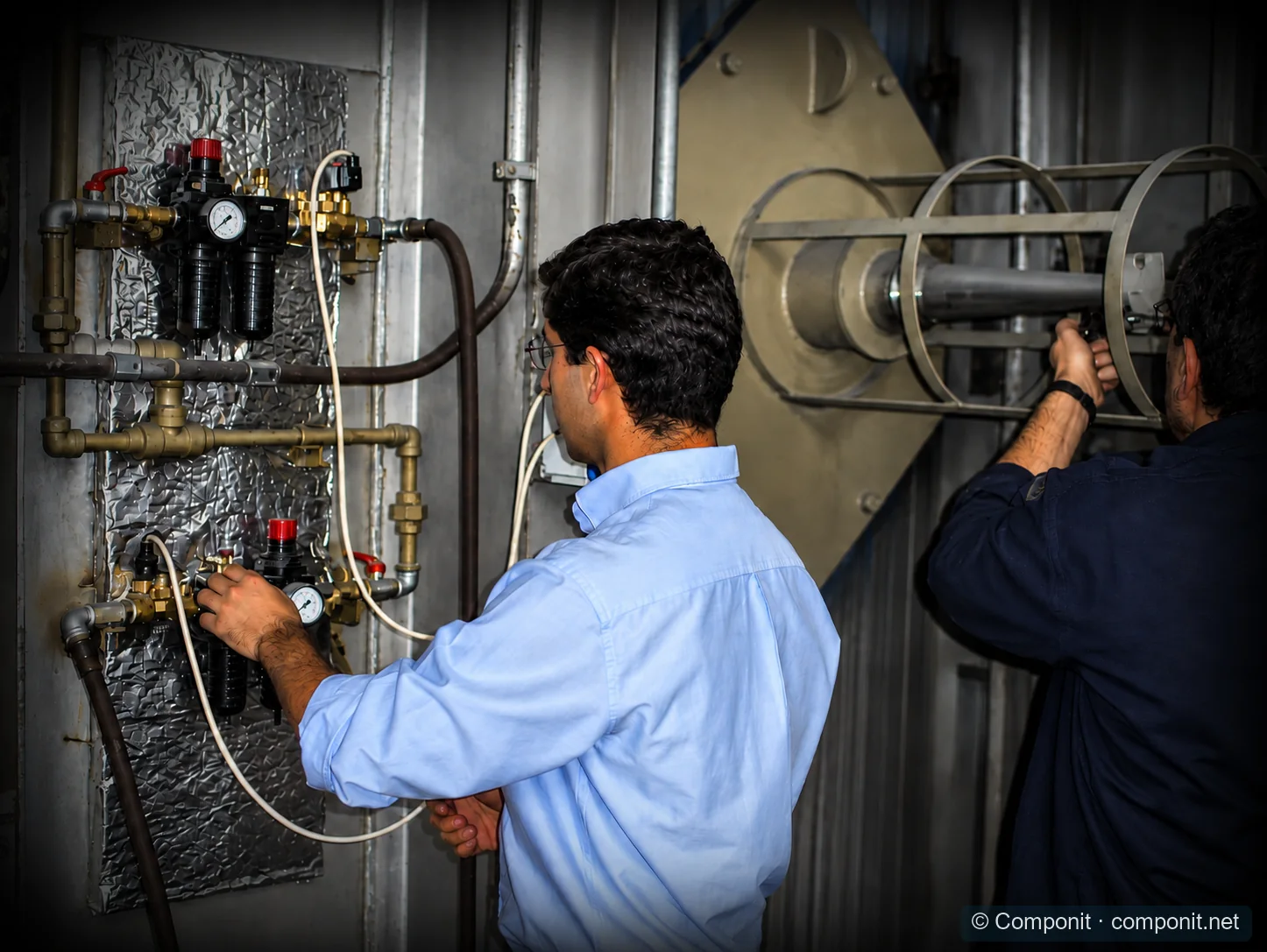
Cleaning without mechanical contact
Acoustic energy is introduced into the application to help detach deposits from surfaces. Suitability depends on deposit behaviour, equipment geometry, operating conditions and the required cleaning outcome.
- Low operating cost
- Does not damage adjacent structures
- A single moving part subject to wear.
- Ease of operation, low maintenance.
Applications
Evaluate the process before selecting the technology
Safefon® is not presented as a universal replacement. Each project starts with technical qualification.
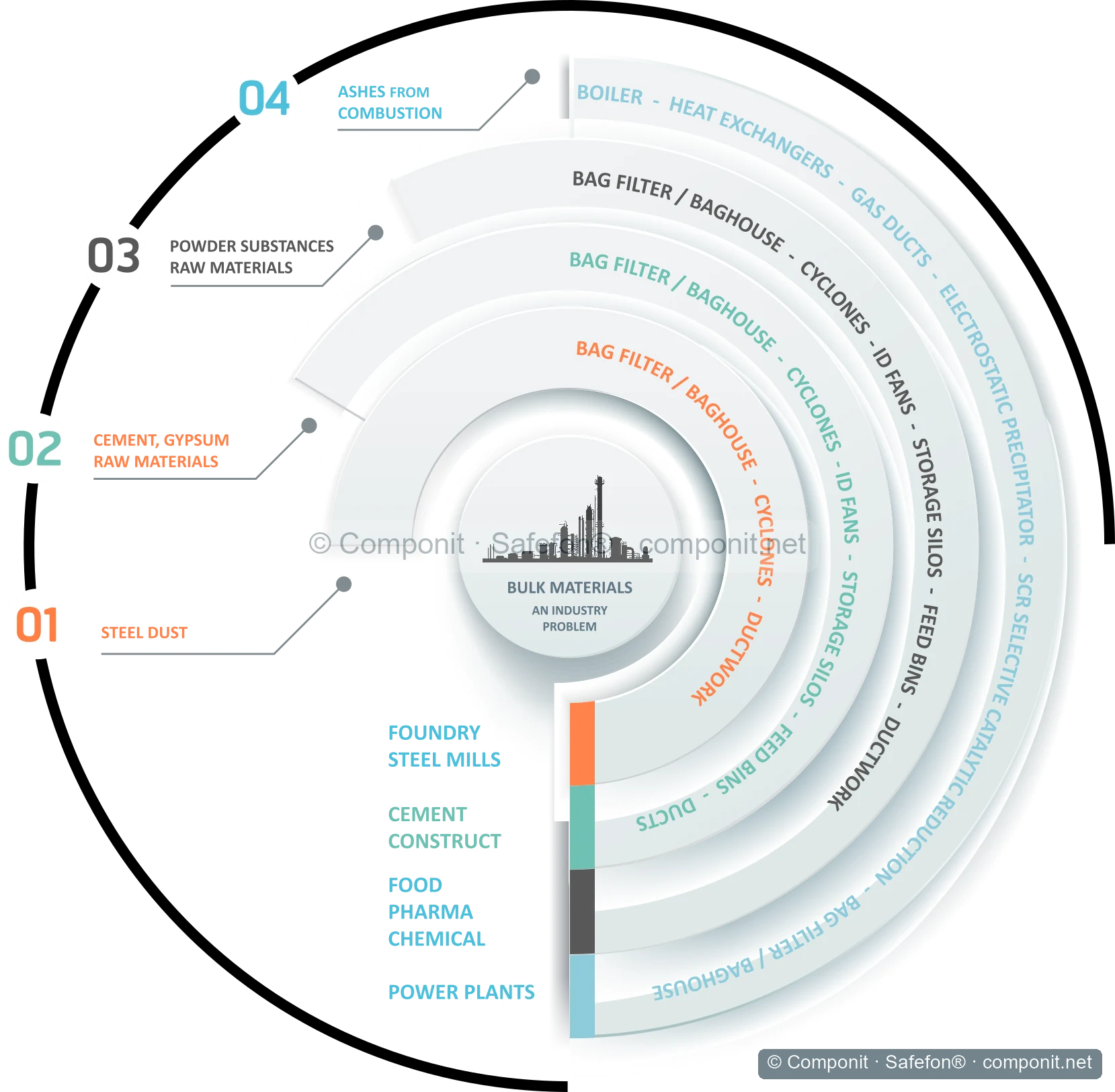
Boilers and heat transfer surfaces
Deposit control where acoustic propagation and deposit characteristics are suitable.
Hoppers, filters and ducts
Applications where build-up affects flow, pressure loss or maintenance.
Process equipment
Case-by-case assessment based on geometry, materials and operating conditions.
Operating principle
Why low frequencies work
Acoustic pulses carry energy through the gas and help break the cohesion of powdery deposits when their characteristics and the equipment geometry allow effective propagation.
Their longer wavelength supports propagation around obstacles and through openings inside the equipment.
The radiation pattern tends to be broad, helping distribute acoustic energy through a larger volume.
Complete system
What a Safefon® solution integrates
The configuration and operating sequence are engineered for each application.
Electrical control
Manages timing, pulses, sequences and coordination between units.
Air control
Conditions and regulates the compressed air supplied to the sound generator.
Sound generator
Converts pneumatic energy into high-intensity, low-frequency pulses.
Acoustic horn
Defines the frequency and directs emission towards the volume being treated.
Applications
One principle, different industrial problems
Every case requires an assessment of the deposit, geometry, process and expected outcome.
Boilers and economizers
Control of ash and deposits that reduce heat transfer or restrict gas flow.
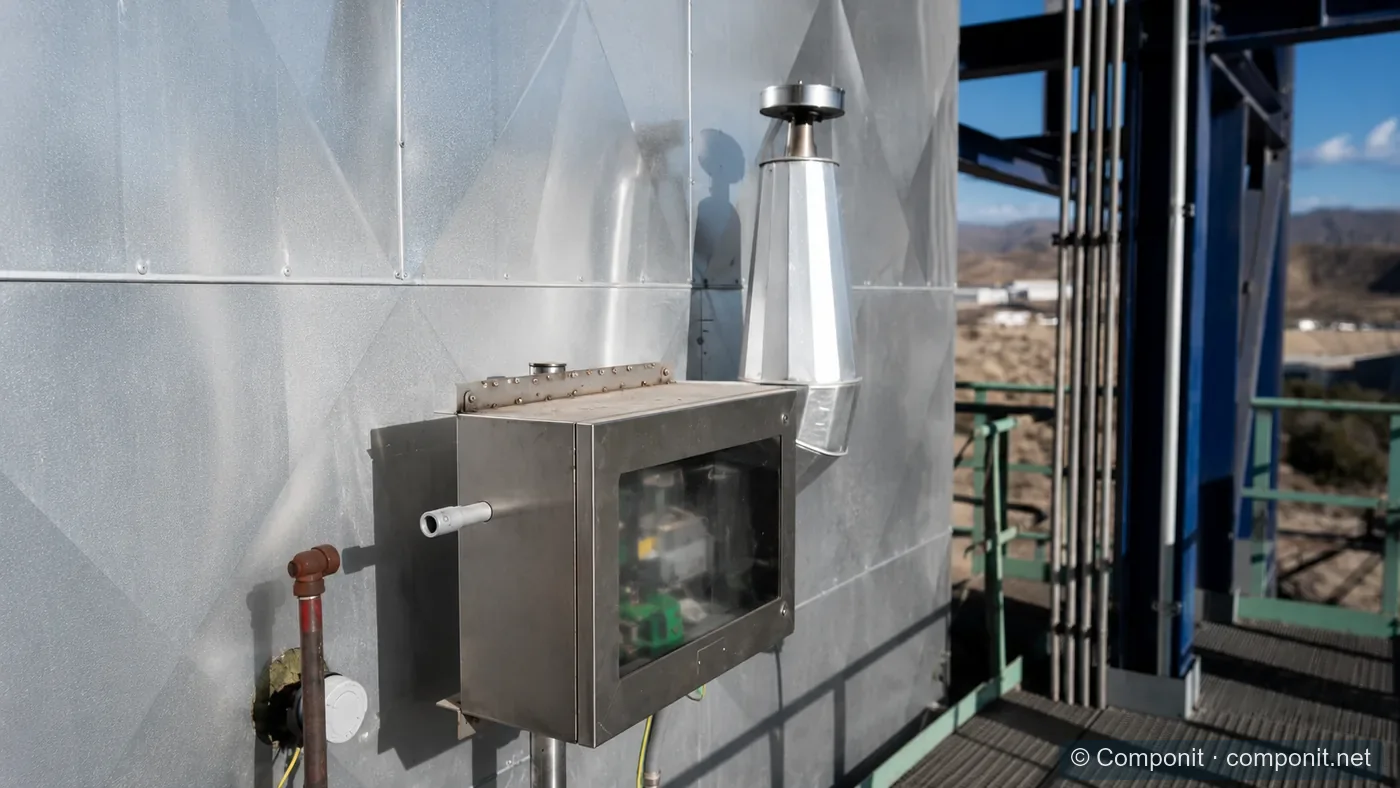
SCR DeNOx
Prevention of build-up on catalyst modules and preservation of the free flow area.
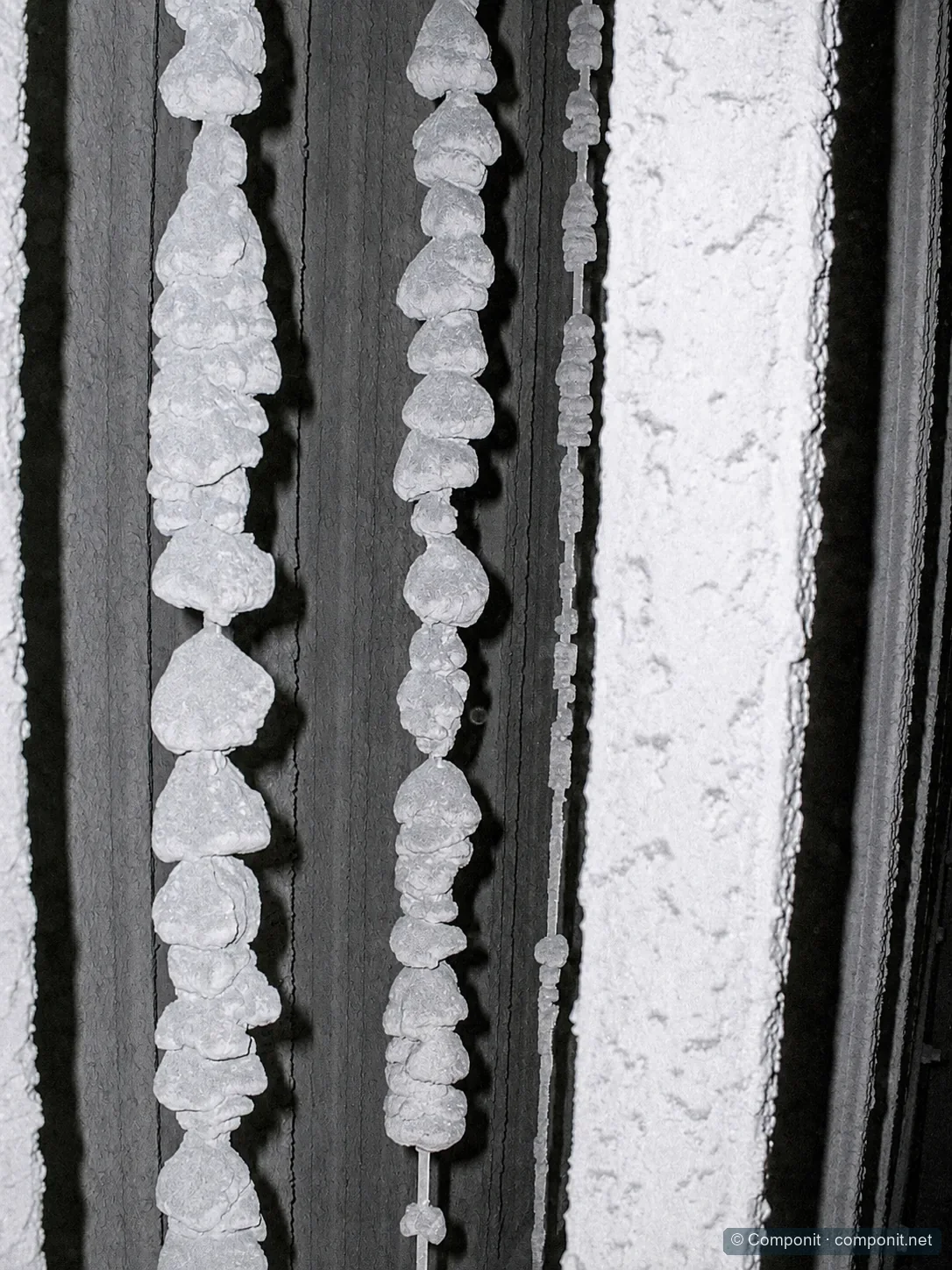
Precipitators and filters
Support for deposit removal from electrodes, filter elements, internal areas and hoppers.
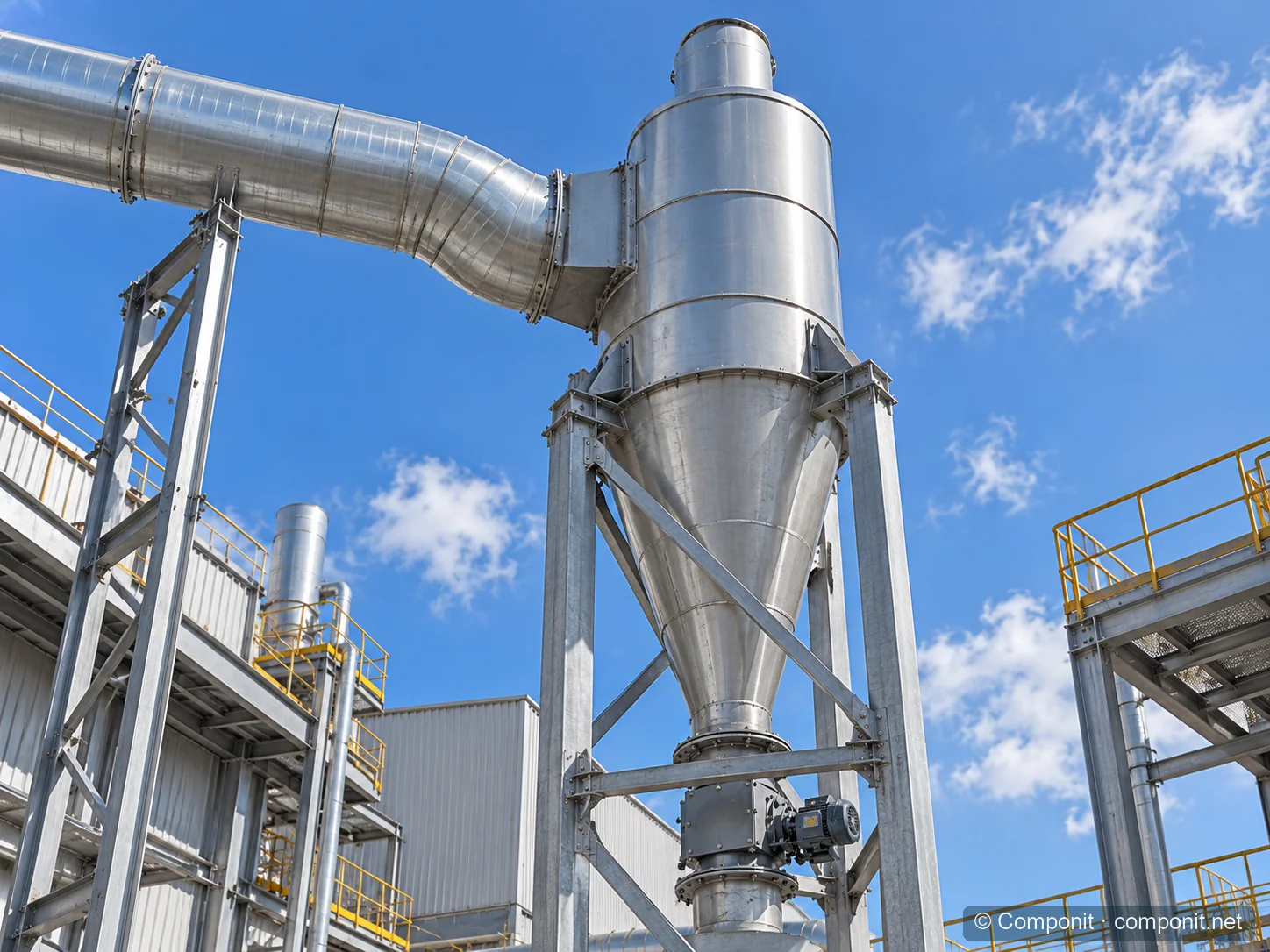
Cyclone separators
Reduction of wall and internal build-up that can disrupt flow and separation.
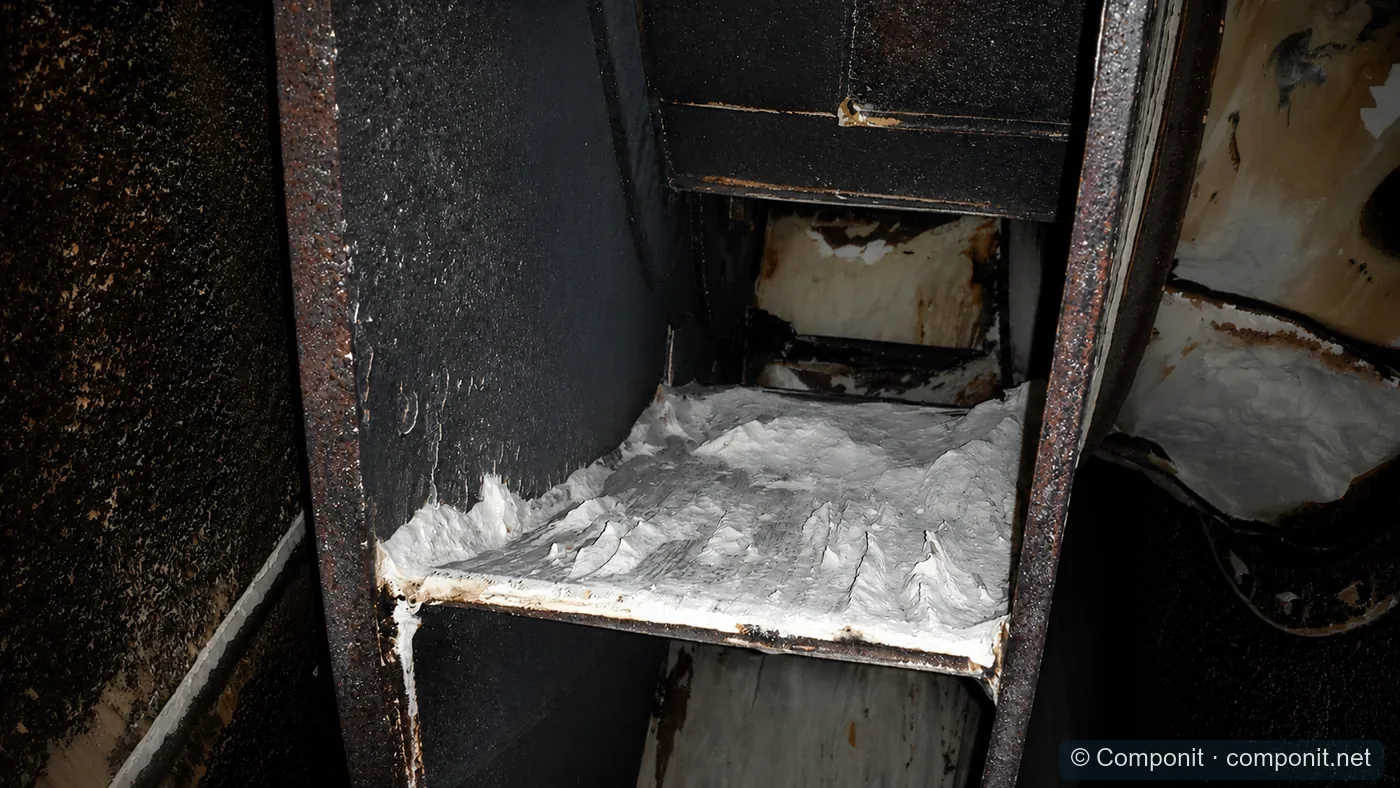
Industrial fans
Control of uneven blade deposits that can cause imbalance and vibration.
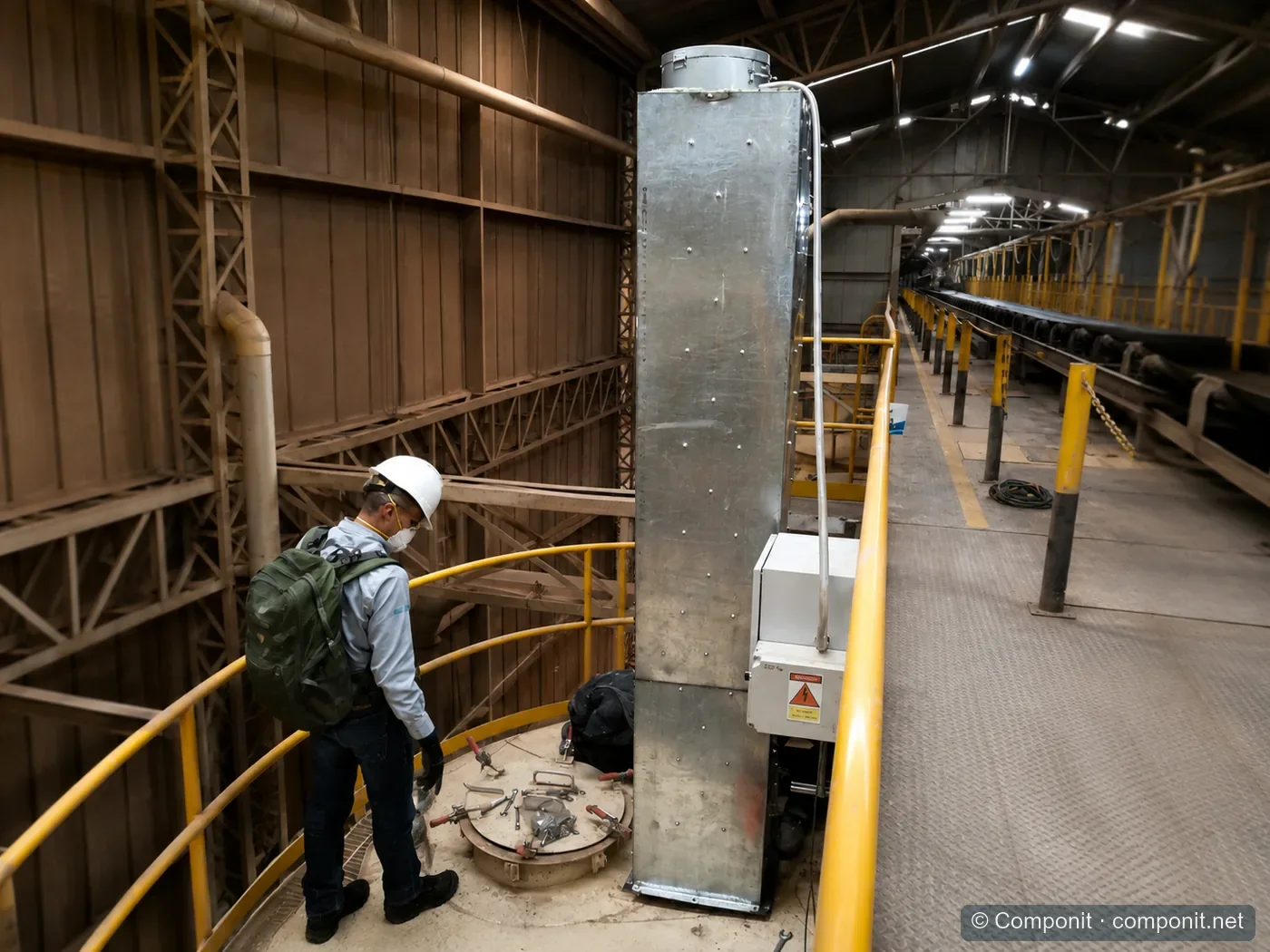
Silos and hoppers
Prevention of bridging, rat-holing and wall adhesion that restrict capacity or discharge.
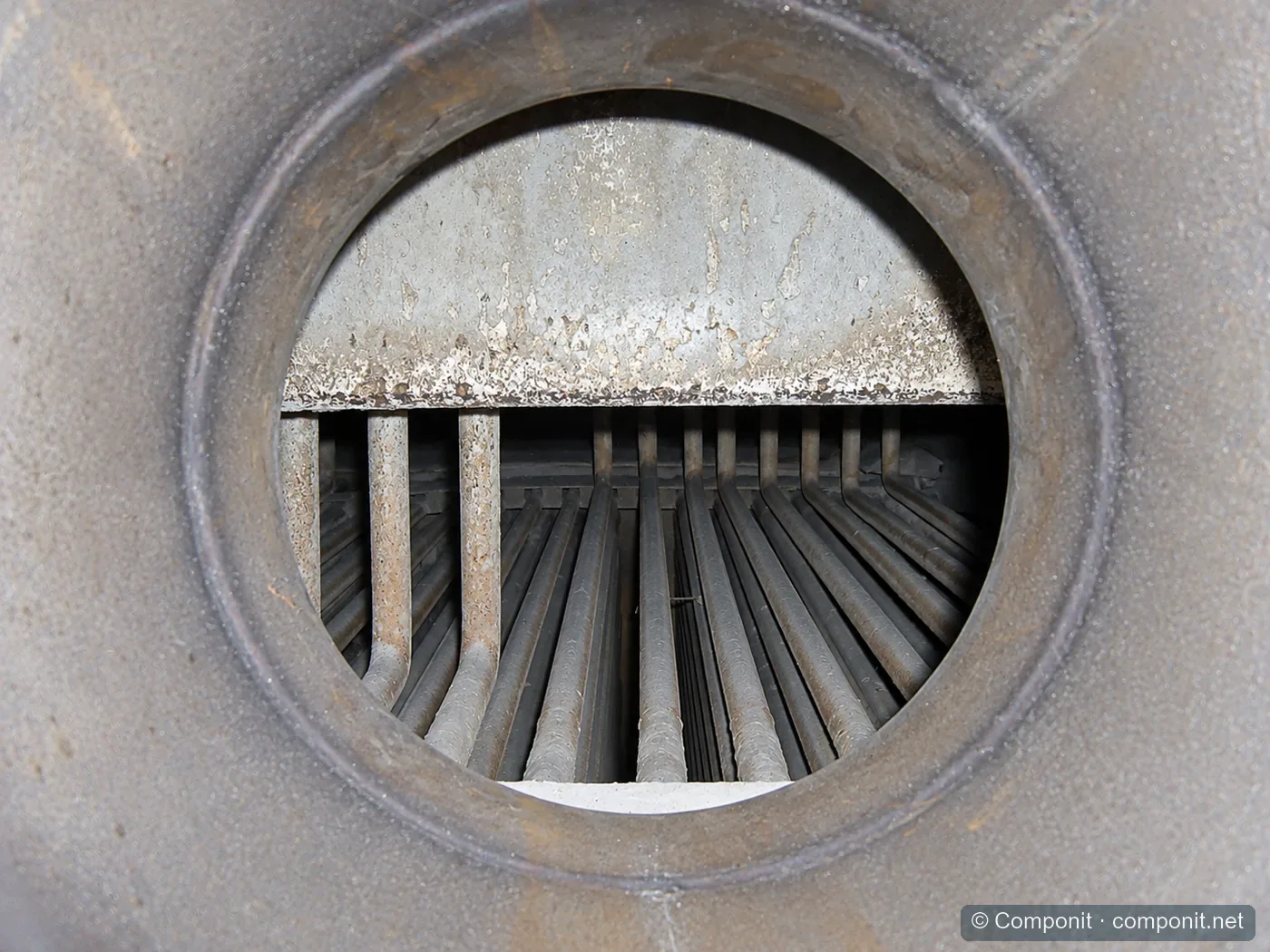
Field evidence
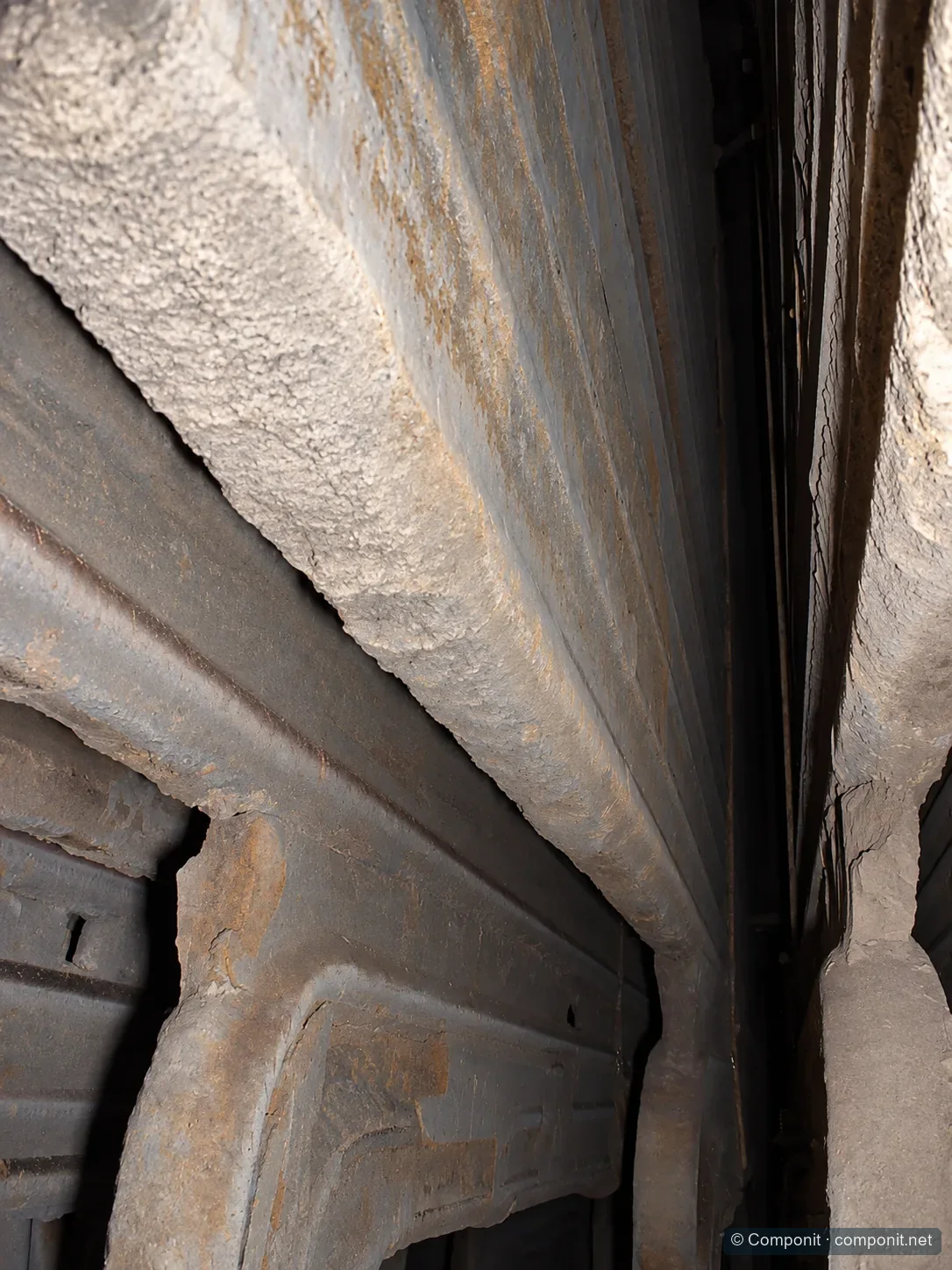
The outcome must be visible in the equipment
These images document real industrial conditions. A direct comparison will only be presented as a case study after confirming that both images belong to the same intervention.
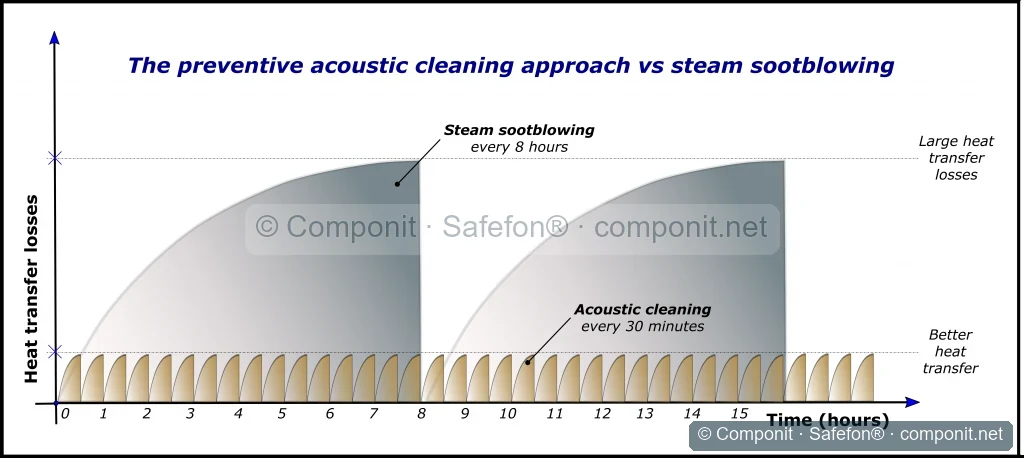
Preventive strategy
Frequent pulses versus spaced cleaning cycles
Acoustic cleaning aims to limit deposit growth through short, repeated cycles. Depending on the equipment and service conditions, it may replace or operate alongside other cleaning methods.
The graph illustrates the operating principle. Timing is defined for each installation and the displayed intervals are not universal values.
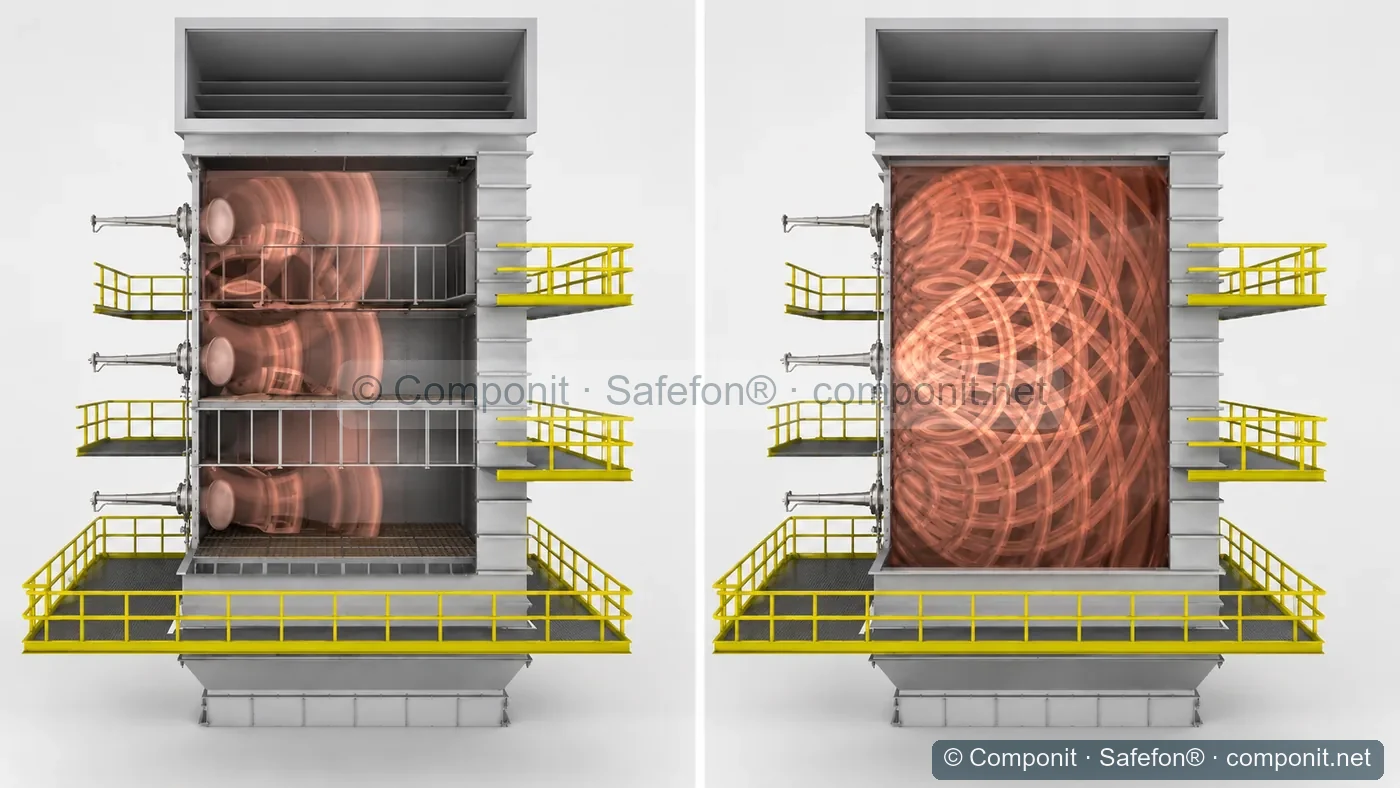
Illustrated application
Safefon® in an SCR DeNOx unit
Suspended ash can settle on catalyst modules, reduce the free flow area and impair system operation. The acoustic solution is engineered to distribute pulses through the volume and promote deposit release.
- Assess geometry, gas flow and ash characteristics.
- Define the number, location and orientation of the units.
- Program the pulse sequence and integrate it with the controls.
- Verify the outcome and adjust the operating cycle.
Services
From feasibility to operation
Examine
Deposit type, process variables, geometry and current method.
Configure
Acoustic unit model, positioning, supply and strategy.
Integrate
Mechanical installation, pneumatic supply and control integration.
Adjust
Commissioning and follow-up of the results.
Could acoustic cleaning fit your process?
Share the equipment, deposit, operating conditions and current cleaning method.